


Quick answer
Before you ask for a quote, compare custom sign companies on five things: whether their past work looks like your project, how much of the job they actually handle (design, fabrication, permitting coordination, installation), how they deal with mockups and materials, whether their reviews and references check out, and how detailed their proposal is. A company that takes the work seriously usually asks a lot of questions before quoting. A number quoted off almost nothing is hard to compare against anything.
The reason to slow down here is simple. A custom sign is built to spec, so two quotes for "the same" storefront sign can describe two pretty different projects. You are comparing scope, not the bottom-line figure.
Key takeaways
- Compare on scope and capability first, price second. Quotes for a similar storefront sign can land far apart depending on materials, illumination, and how much of the install is included.
- Send the same brief to each company so you are comparing like for like.
- Portfolio review is one of the quickest ways to judge relevant experience, especially for channel letters, monument signs, and multi-location work.
- A capable company handles design, fabrication, permitting coordination, and installation, or tells you plainly who does what.
- A mockup takes the guesswork out of scale, color, illumination, and placement before anything gets built.
- Reviews, references, and a real operation help back up what a sales pitch promises.
- A low quote is often an incomplete quote. The missing scope tends to come back later as change orders.
- Signs are a visual purchase, so vague inputs usually produce vague results.
What should you look for when comparing sign companies
Look for a company that shows relevant work, asks specific questions, and comes back with a real proposal. A sign is a physical thing bolted to a specific building, so a generic list of capabilities does not tell you much. You want proof they have built the kind of sign you need.
Some practical things to weigh:
Relevant experience matters most. Have they built channel letters, monument signs, lightbox signs, or blade signs close to what you have in mind? Next is range of services, whether design, fabrication, permitting coordination, installation, and post-install support happen in-house or through named partners. Then there is how they communicate. Do they respond clearly, ask about your building, and request photos and logo files, or do they just fire back a price?
Two more worth checking: can you see a mockup before you approve production, and does the quote itemize materials, specs, and scope rather than giving you one line of pricing. A sign is often the first thing a customer sees, so it is fair to weigh how carefully a company treats the details.
How do you know if a sign company is reputable
Reputation tends to show up in the portfolio, the reviews, and whether they will hand over references. Companies with a track record usually have visible project history, feedback that reads consistently, and no problem connecting you with past commercial clients on similar jobs.
Worth checking:
- A portfolio with clear photos of finished installations, not only renderings
- Reviews that line up across places like Google and independent review sites
- A willingness to share references for comparable project types
- Business documentation such as insurance and licensing where it is required, plus a real operation you can verify
- Straight answers about what they build in-house versus what they subcontract
Red flags run the other way: no portfolio, fuzzy answers about materials, pressure to sign fast, and a quote well below the others with nothing in the scope to explain the gap.
What questions should you ask before getting a quote
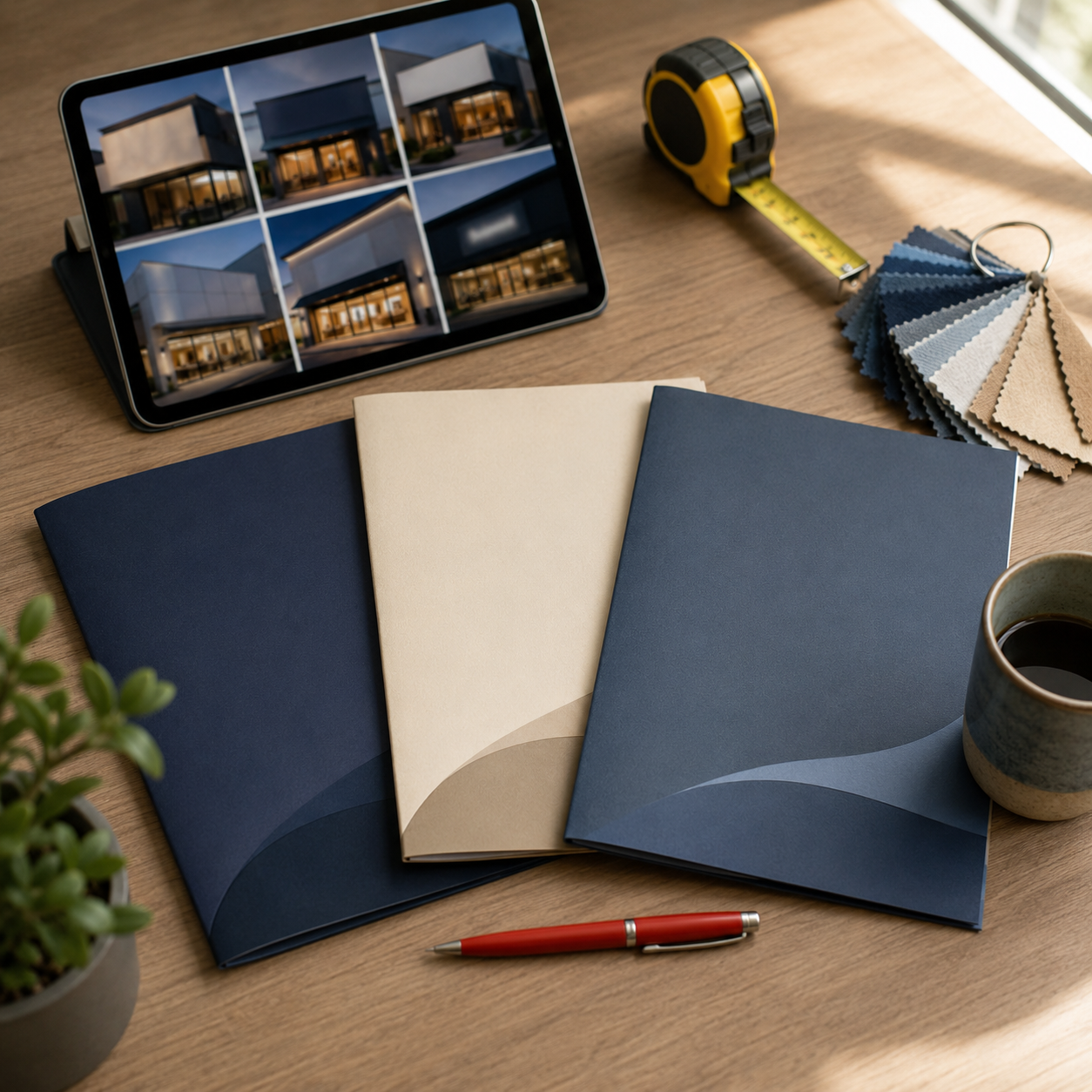
Ask things that surface scope, materials, timeline, and who is responsible for what. The point is to clear up the ambiguity before a price gets locked in.
A list you can work from:
- What sign type do you recommend for my building and use, and why?
- What materials will you use, including the grades of LEDs, acrylic, or aluminum?
- Do you fabricate in-house or subcontract it?
- Who coordinates permitting, and is that in the quote?
- Who installs, and are they employees or subcontractors?
- What does the timeline from approval to install look like for a job like mine?
- What warranty covers the sign, and are the LEDs covered specifically?
- Can I see a mockup before I approve production?
- What is not included in the quote?
- How do you handle change orders?
The clearer your brief, the more useful these answers get, which is why it pays to gather your inputs first.
How much do custom signs typically cost
Custom signs vary a lot because each one is built to spec. A small interior acrylic lobby sign is a different animal from a set of illuminated channel letters or a freestanding monument sign. Price depends on size, materials, illumination type, mounting surface, install complexity, and local requirements, so treat any figure you hear as project-dependent until a company has actually reviewed your details.
The things that move the number:
- Sign type. Channel letters, lightbox signs, monument signs, and pylon signs sit at different levels of complexity.
- Illumination. Front-lit, halo-lit, and combination-lit approaches each carry their own fabrication requirements.
- Materials. Aluminum, acrylic, and LED grade all affect price and how long the sign holds up.
- Size. Bigger signs need more material, more structural work, and often more permitting.
- Installation. Height, electrical access, and mounting surface all factor in.
- Location and permits. Local ordinances and landlord rules can add scope.
Because the inputs swing this much, comparing quotes line by line matters more than comparing headline numbers. Sending the same scope to several companies is what makes that comparison mean anything.
Vinyl, metal, and other material choices
Material shapes both how the sign looks and how long it lasts. Flat adhesive options like vinyl work for windows, walls, and shorter-term messaging. Dimensional metal, such as aluminum letters and flat cut metal, holds up better and suits permanent branding on storefronts, lobbies, and office exteriors. Worth noting that a custom vinyl banner is a different category from the permanent, dimensional signage most of this guide is about.
A quick orientation:
| Material | Best for | Notes |
|---|---|---|
| Vinyl | Windows, shorter-term messaging | Flat, budget-friendly, less dimensional look |
| Acrylic | Lobby signs, dimensional letters | Clean, modern, indoor-friendly |
| Aluminum | Outdoor storefront, channel letters | Durable and weather-resistant |
| LED-illuminated | Storefronts, restaurants, night visibility | Higher cost, stronger night visibility |
How long does it take to get a custom sign made
Timeline depends on design approval, permitting, fabrication, and getting the install scheduled. No company can responsibly promise a hard date before it understands your scope, so be careful with a fixed turnaround offered before anyone has seen photos, artwork, and site details.
The usual stages:
- Design and mockup approval
- Engineering drawings, if the project needs them
- Permit submission and approval, which varies by municipality
- Fabrication
- Scheduling and installation
If you have a fixed opening date, say so early and ask each company to walk you through what would have to happen to work toward it.
What materials suit outdoor vs. indoor signs
Outdoor signs generally call for weather-resistant materials like aluminum, exterior-grade acrylic, and rated LEDs. Indoor signs can use lighter stuff, such as standard acrylic, PVC, dimensional letters, or brushed metal finishes that never have to face rain, UV, and temperature swings.
Rough guidance by placement:
- Outdoor storefront: channel letters, lightbox signs, monument signs, blade signs
- Building exterior fascia: dimensional letters, illuminated cabinet signs
- Lobby and reception: acrylic panels, flat cut metal letters, dimensional letters
- Wayfinding and interior: ADA-oriented signs, directional signs, wall graphics
For a sense of what fits where, you can browse the outdoor signs collection.
Can you see examples of previous work
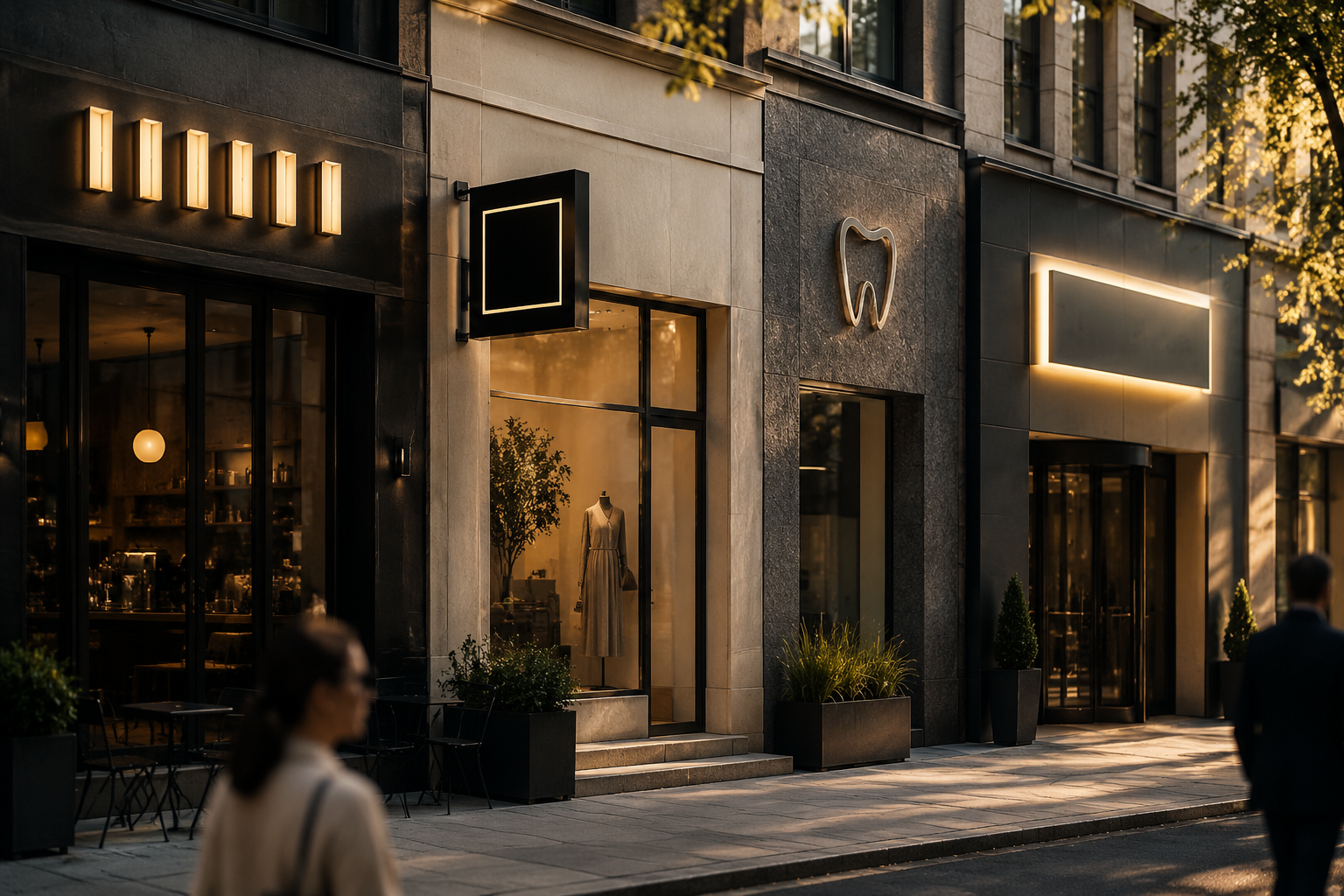
Yes, and it is worth asking for. A company with a track record can usually share a portfolio of finished installs, often with examples close to your industry, whether that is retail, restaurant, medical office, or corporate signage. If a company cannot show relevant work, take that as a signal.
What to look at in a portfolio:
- Real installed photos, not only renderings
- A range of sign types, especially channel letters, monument signs, and lightbox signs
- Examples for businesses similar to yours in size and industry
- Finish quality, meaning clean returns on letters, even illumination, and straight mounting
Common mistakes when ordering custom signs
The usual ones: choosing on price alone, skipping the mockup, overlooking landlord and permit rules, and under-specifying scope. Any of these can lead to rework, delays, or a sign that reads smaller or dimmer than you pictured.
Things to avoid:
- Approving a design without a scaled preview on the actual building
- Choosing letters too small to read from the street or the parking lot
- Skipping illumination when the business is open at night
- Missing landlord signage guidelines or lease requirements
- Assuming permits are included when they are not
- Comparing quotes without comparing materials and scope
- Treating the sign as a decoration line item instead of a piece of your brand
Signage.com's Design Studio, an AI-powered mockup tool, is one way to cut down on the guessing. It lets you visualize sign concepts and compare letter styles, colors, and illumination directions, so you walk into the quote conversation with a clearer picture. It is a visual aid for exploring ideas, not a stand-in for final engineering drawings, permits, fabrication documentation, or code-compliance review.
Do sign companies offer installation
Many do, either with in-house crews or vetted install partners. Installation is a big part of most exterior projects, since it can involve electrical work, mounting to a specific surface, and sometimes height, lift equipment, or traffic control.
Worth asking each company:
- Do you install directly, or coordinate installation?
- Are your installers insured?
- Is installation in the quoted price or billed separately?
- Do you handle final inspection or sign-off?
For higher-value fabrication like channel letters, monument signs, and pylon signs, the handoff between fabrication and installation matters more than it does for a simple wall sign, because the engineering, mounting, and electrical all tie together.
How do you gauge whether a company can meet your deadline
You will not know for sure until you see how a company communicates. The ones that tend to hit dates ask specific questions early, put timelines in writing, and flag permit or approval risks before they turn into problems. Take note of vague reassurance.
A few checks:
- Ask for a written timeline broken into stages
- Ask what could delay the project and how they would handle it
- Ask who your point of contact will be
- Watch how responsive they are during the quote phase, since it often mirrors the project itself
What warranty coverage should you compare
Warranties differ by company, so ask exactly what is covered, for how long, and by whom. Common areas are LEDs, power supplies, fabrication defects, and finish. Installation workmanship is often covered on its own.
Treat warranty terms as part of the quote, not an afterthought. A slightly higher quote with clearer coverage can be worth more than a lower one that covers less.
Local sign company or online
The better question is which company has the right capability, capacity, and process for your project. Local shops can be strong on site visits and knowing the area. Online-forward providers can bring more capacity, structured processes, and visual tools like mockup software. Some do both. Signage.com, for one, serves customers nationally and runs a Philadelphia facility used for certain fabrication and for pickup by appointment. Not every product is made there, so confirm the specifics for your project.
Local may fit if:
- You need frequent on-site coordination
- The project is small and straightforward
- You already have a local relationship you trust
A nationally serving provider may fit if:
- You have several locations or a national program
- You want structured mockup and quote workflows
- You need broader capability across sign types
What if you're not happy with the finished sign
Your best protection is a solid approval process before anything gets built. Ask each company how they handle design approval, mockups, proofs, and revisions. Once a custom sign is fabricated, changes get expensive fast, because the materials, LEDs, and structural work are already committed.
You can lower that risk by:
- Requiring a visual mockup before approval
- Reviewing materials, colors, and dimensions in writing
- Confirming placement on a photo of the actual building
- Asking what remediation the company offers for fabrication defects
This is another spot where a mockup tool like Signage.com's Design Studio helps, by letting you see and compare concepts before you commit.
A simple pre-quote checklist
Before you contact any sign company, pull together:
- Business name and logo files, ideally in vector formats
- Photos of the building or storefront from a few angles
- Rough dimensions of the available sign area
- Indoor or outdoor placement details
- Illumination preferences, if you have any
- Any landlord or property signage guidelines
- Target timeline and any hard opening dates
- A rough budget range
Bringing these along turns a vague inquiry into a request a company can actually quote. It also means each company works from the same information, which is the whole point of comparing.
Before you send the first inquiry
Comparing sign companies mostly comes down to slowing down for a few steps: pin down your scope, gather your assets, look at portfolios, ask real questions, and insist on a mockup before you commit. A sign is one of the few brand assets a physical business puts to work every single day, so the time you spend comparing usually earns itself back.
When you are ready, use the free quote page to share your project details, or start at Signage.com to explore options and picture a concept before you talk pricing. If you want a broader take on sizing up vendors, the U.S. Small Business Administration's market research and competitive analysis guide is a useful reference.
FAQ
How many sign companies should you get quotes from? A few is a healthy range. Too few limits your comparison, and too many just adds noise. Use the same brief with each one.
Is the lowest sign quote usually the best deal? Not necessarily. A very low quote can mean missing scope, lower-grade materials, or install and permitting work left out. Compare line items, not just totals.
Do I need a mockup before ordering a custom sign? It is strongly recommended. A mockup cuts down uncertainty on scale, color, illumination, and placement. Since a sign is a visual purchase, seeing the concept on your building beats guessing.
Who handles permits for custom signs? It depends on the company and the municipality. Some coordinate permitting as part of the project. Others provide drawings and leave the filing to you or a third party. Get the arrangement in writing.
What files should I have ready before requesting a quote? Vector logo files, brand colors, photos of the location, rough dimensions, and any landlord signage rules. That turns a general inquiry into a request a company can quote.
Can one company handle a multi-location signage program? Some can. If you have several sites or plan to grow, ask specifically about multi-location experience, project management, and how they keep signage consistent across locations.
